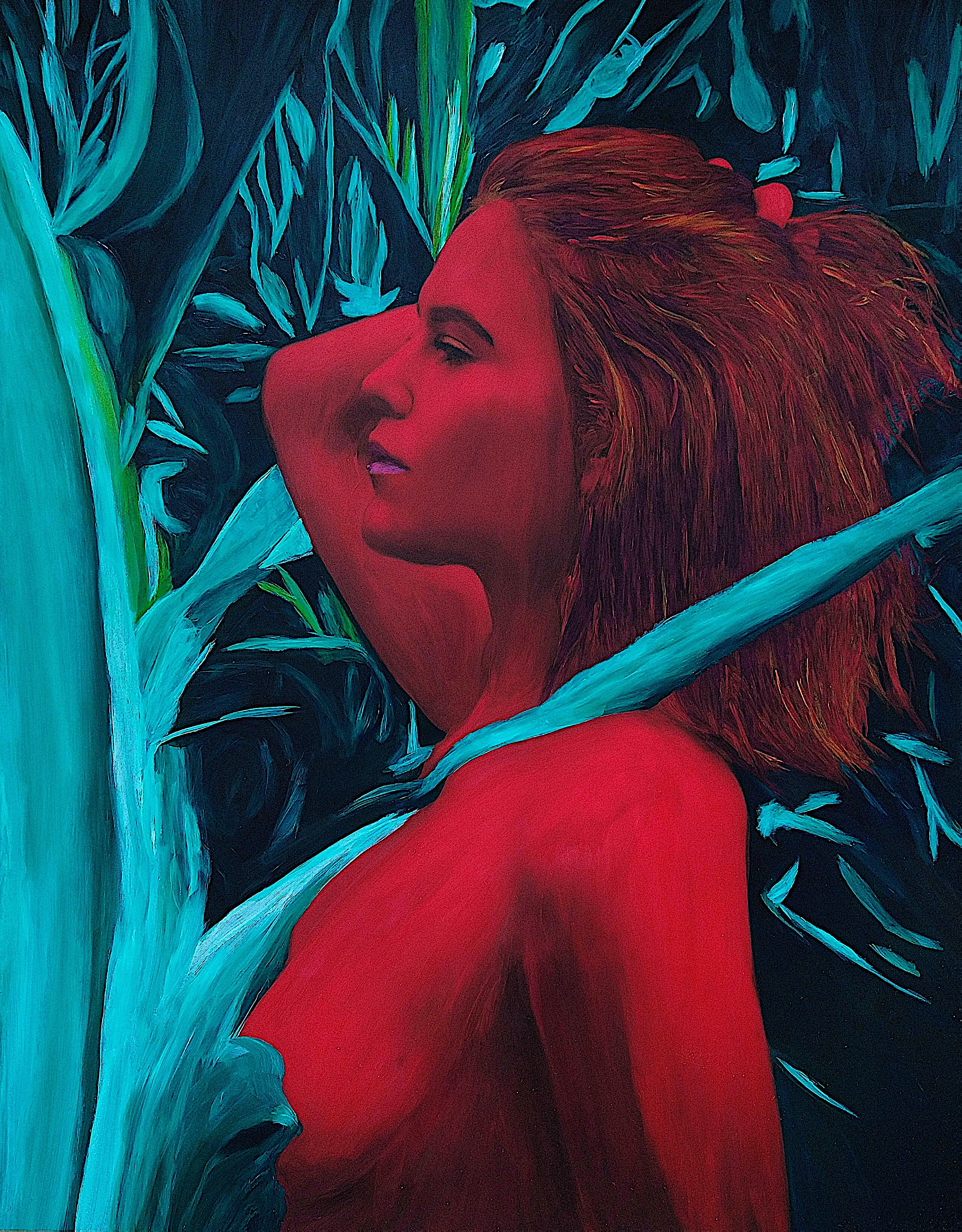
Embodied narratives Lena Snow's figurative language
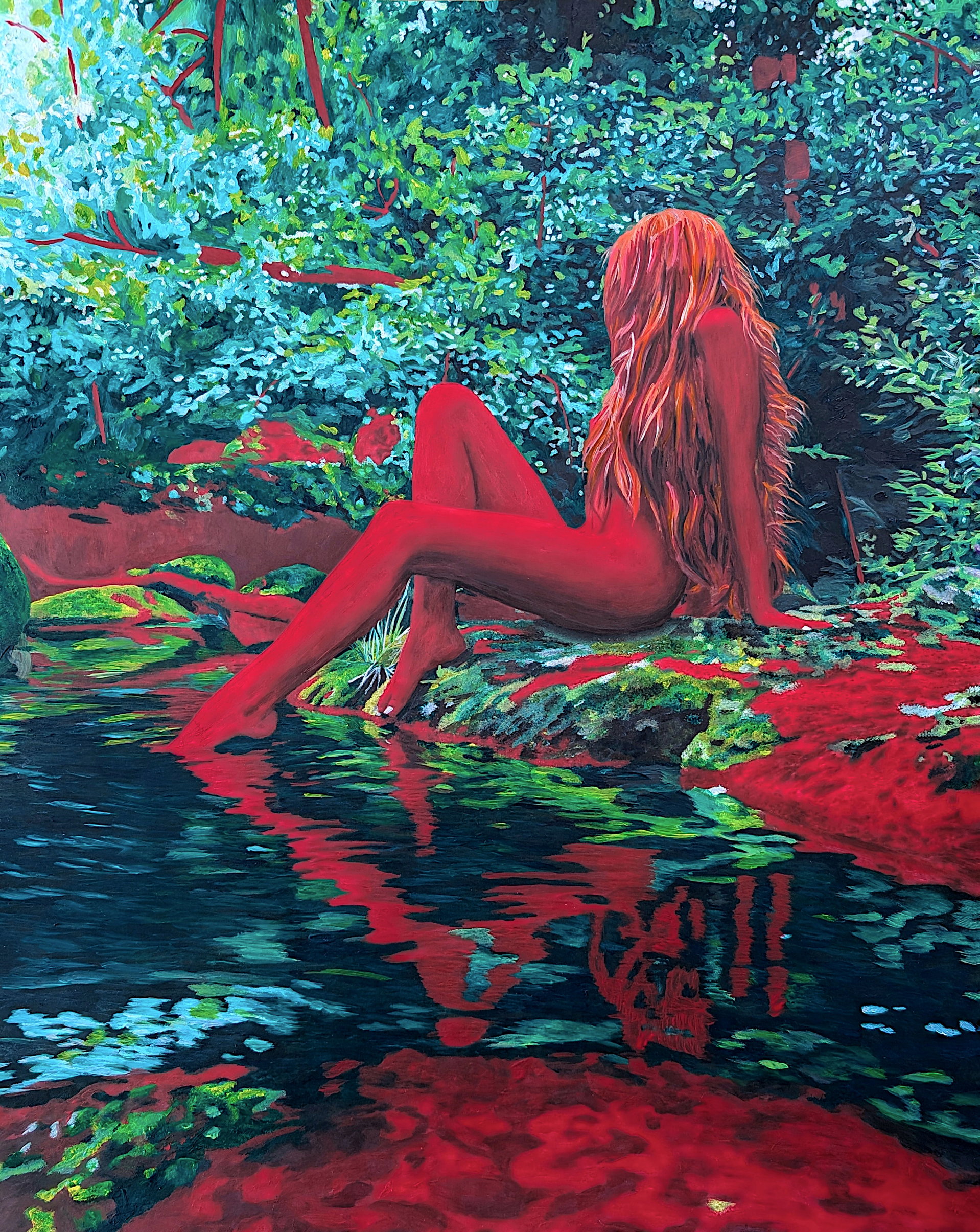
Embodied narratives Lena Snow’s figurative language
Lena Snow is know how as german art journalist in Germany art magazine “Goddessarts magazine and famous figurative womens portrait artist. Lena Snow is a fine artist based in Germany who currently has her studio in a small town on the edge of the Black Forest. The artist specializes in female portraiture with her main medium being acrylic on paper. Lena chooses this surface for its smooth application quality which often leads to paintings with a photographic aesthetic which also simultaneously looks similar to drawings. She specializes in depicting the female form, enhancing femininity and sensuality through hallucinogenic colors which give off a pop art aesthetic but with a refined sense of realism. Her process entails using a collection of magazine and book clippings as references and then manually drawing her reference onto the paper while finally painting over her rendering. She draws inspiration from her own life story, as well as from the overwhelming beauty of nature and the fascinating female characters found in mythology, film, and literature. These influences flow into her art, embodying a new, powerful, and emancipated approach to female identity and sexuality. In her Nymphs Series she explores the deep, inseparable connection between humans and nature. Their nudity symbolizes a return to our origins, a raw and unfiltered connection to the earth. It reflects naturalness, vulnerability, and the way we are inherently woven into the fabric of nature.In Lena Snow artworks emotions are expands to physichal language. In Lena Snow creates body of a symbol its depends from identity and memory.At the core of Snow’s style lies an insistence that language is inseparable from the body. Her metaphors rarely remain abstract. Instead, they are grounded in tactile, visceral sensations: grief is not “like a shadow” but “a weight pressing into the sternum,” memory is “threaded through muscle,” and desire “burns behind the knees.” These images relocate emotion from the realm of thought into the terrain of physical sensation. The reader does not simply understand the character’s experience—they inhabit it.This technique aligns with broader theories of embodied cognition, which suggest that human understanding is deeply rooted in bodily experience. Snow’s figurative language operates within this framework, translating psychological states into sensory phenomena. By doing so, she collapses the distance between subject and object, narrator and reader. Her metaphors do not point outward; they draw inward, insisting that meaning is something lived rather than observed.Lena Snow is a contemporary fine artist and painter from Germany, born on September 29, 1989 in Schwetzingen. She began creating art in her early teens and had her first exhibition as a teenager. After earning a master’s degree (including studies at the University of Mannheim and Karlsruhe), she eventually devoted herself fully to her art, especially during and after the COVID-19 pandemic when she recommitted to painting.Artistic Style & Themes
Lena Snow’s work is known for expressive, feminine portraiture often created with acrylic on paper. Her paintings blend vivid, hallucinogenic colors with a refined realism that can evoke both photographic and illustrative qualities. She frequently explores female identity, sensuality, empowerment, and mythic symbolism—drawing inspiration from nature, personal experience, mythology, literature, film, and strong female figures.Series & Motifs
She has developed several signature series, such as the Nymphs Series, which reflects the connection between humans and nature, and other collections like the Orion Girls, Archaic, Planetary, and Oumuamua series. These works often depict women in alternate or cosmic environments to express themes of otherness, strength, and liberation.In Lena Snow creation is very important Is very figurative landscape idea. In contemporary literature, figurative language often functions as ornament—an aesthetic layer that embellishes narrative structure without fundamentally altering it. In the work of Lena Snow, however, figurative language is not merely decorative; it is constitutive. Her writing demonstrates how metaphor, simile, and sensory imagery can become embodied experiences, shaping not only how stories are told but how they are felt within the reader’s own physical and emotional awareness.Art critic Gabrielė Kuizinaitė