Nijolė Jovarienės Work-The Mystery of Metal
Nijolė Jovarienes Work – The Mystery of Metal
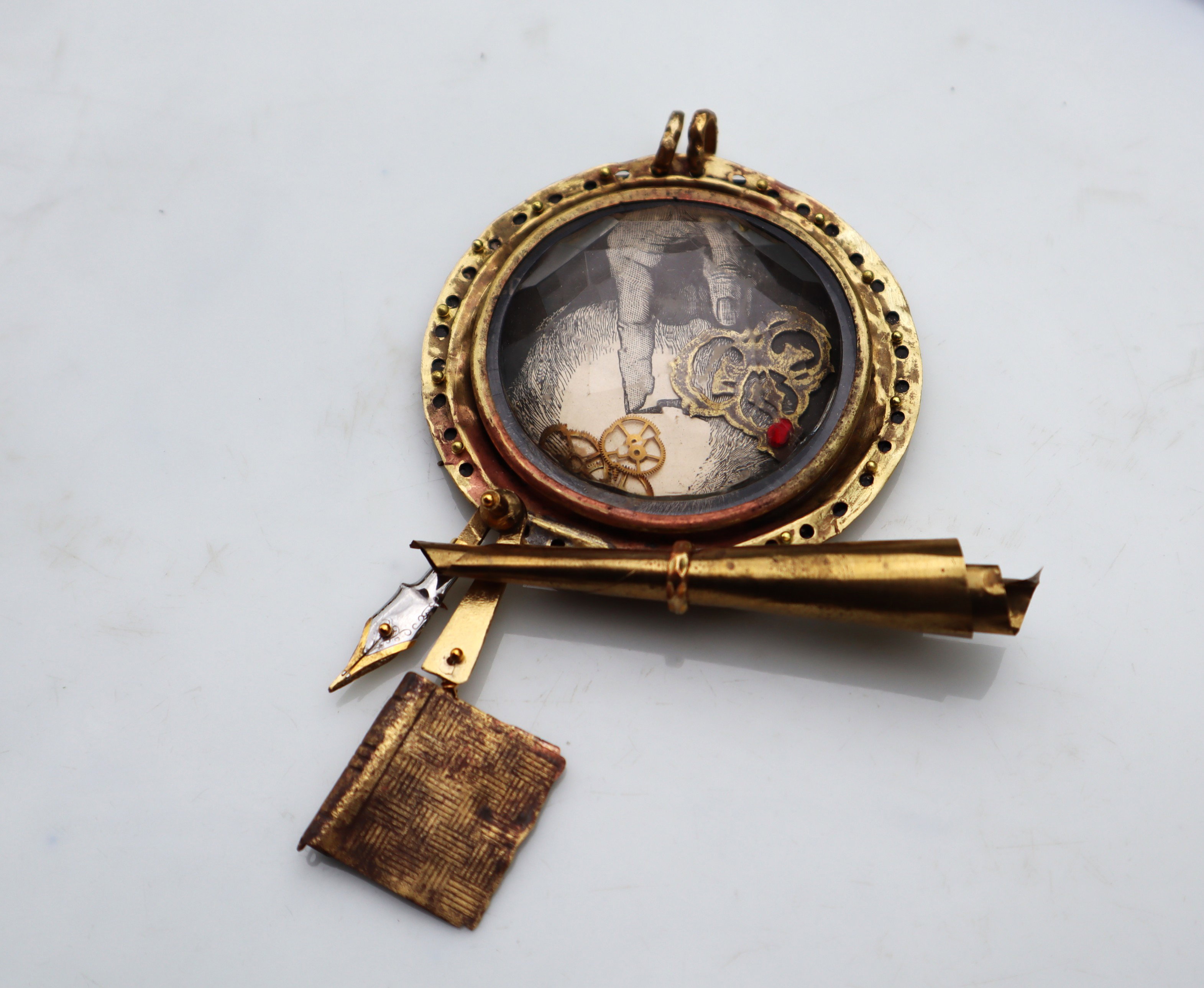
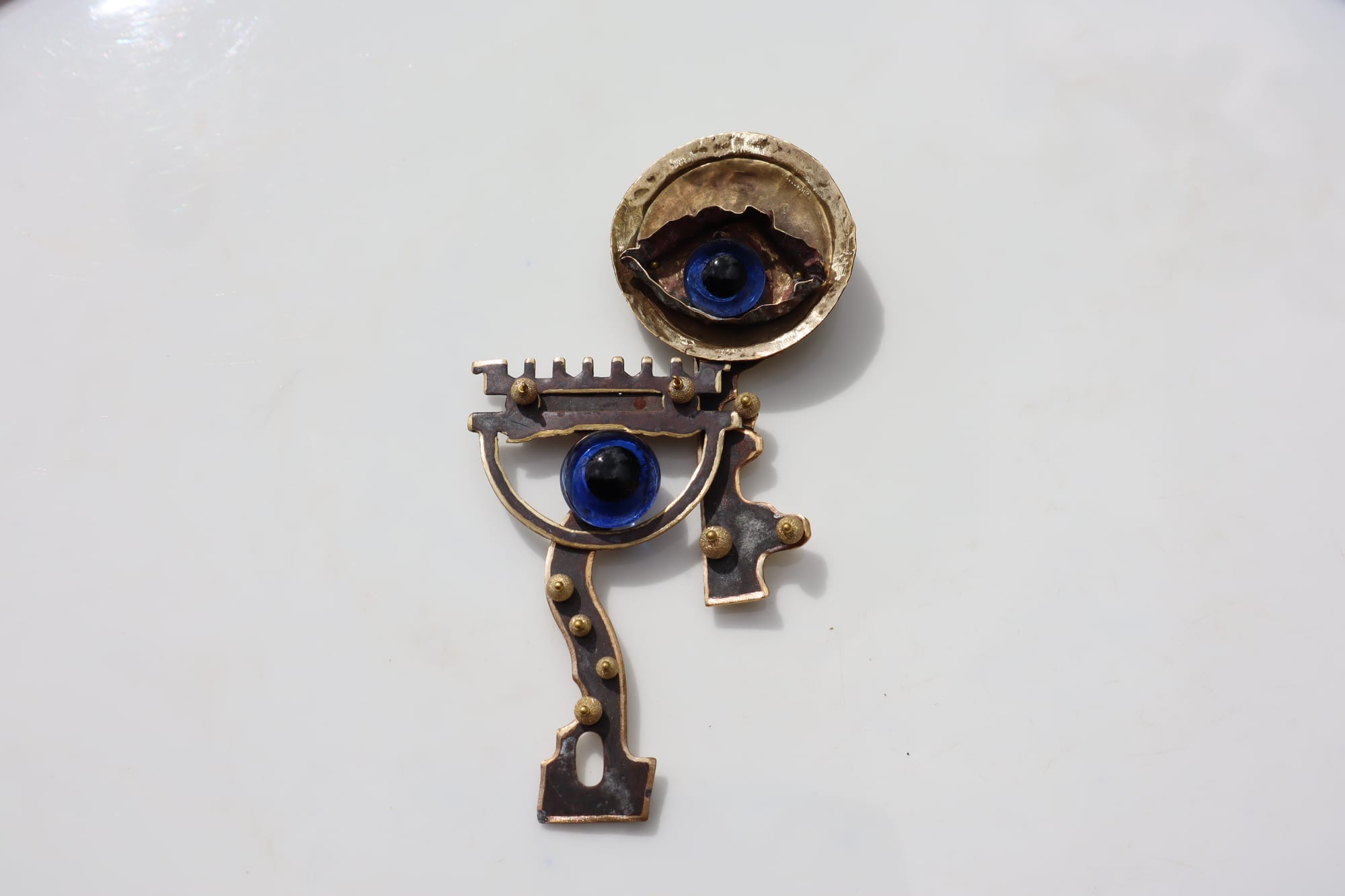
Nijolė Jovarienė (Nijo Bronze) is a jewellery artist based in Kaunas, Lithuania. In 2015, she graduated from Kaunas Applied Art School, specializing in metal arts and crafts. Her works have been exhibited in galleries in Kaunas and Berlin, as well as in international exhibitions in Italy, Poland, and Hungary. A notable work by the artist is the jewellery object C-section (2022), which was selected for the exhibition Paradox during Budapest Jewellery Week at Hybridart Space Gallery. Her works were also presented at Rome Art Week 2025 in the exhibition Forma Abitata and featured in Goddessarts Magazine. Nijolė also participates in exhibitions throughout Lithuania, presenting her works in historic manor houses, whose cultural setting complements the themes of time and history that are central to her artistic practice.Bronze, recycled metals, mechanical fragments, glass elements, and antique objects are central to the artist's practice. Her creations reveal influences of Steampunk aesthetics and Byzantine ornamentation, expressed through decorative surfaces and complex compositions. Often positioned between jewellery and miniature sculpture, her works evoke archaeological finds or relics from imagined civilizations. In Jovarienė’s practice, bronze functions not only as a creative material but also as a carrier of cultural and historical meanings. Recurring motifs include elements of nature, birds, and mythological and fantastical beings. Together, these form a distinctive visual language in which historical associations merge with imagination and transformation.One of the central themes of Jovarienes work is time. She describes her creative process as a form of “time-traveling,” in which experimentation and improvisation allow her to reinterpret antique bronze objects and archaic metal forms. By combining historical elements with contemporary jewellery techniques, she creates works in which the legacy of past cultures intertwines with present-day artistic expression. The idea of material transformation is also significant in her practice, granting historical artefacts new functions and meanings. Her work reflects a respect for the enduring nature of bronze, the aesthetics of ancient cultures, and a sustainable approach to materials.