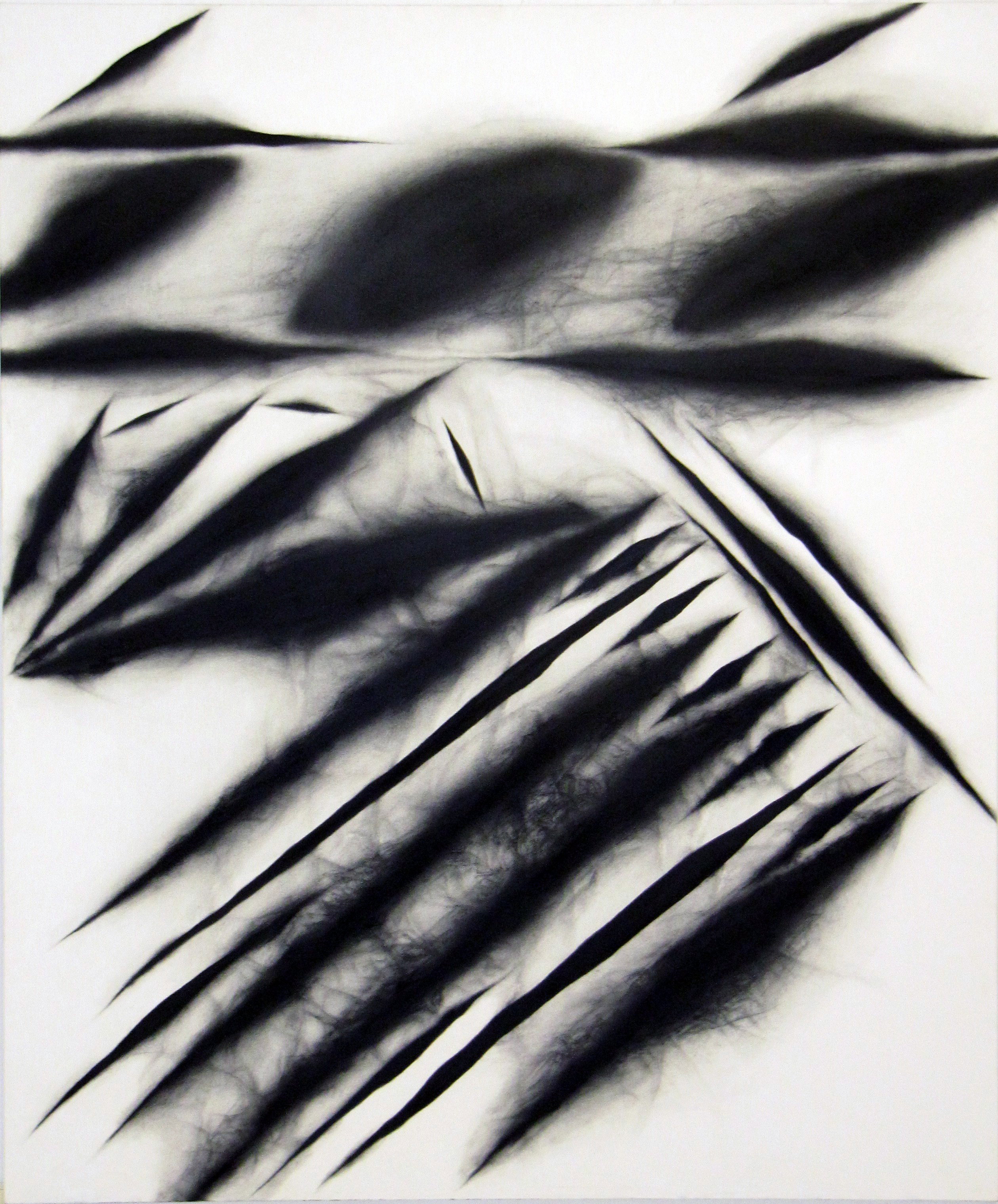
Salomėja Jastrumskytė's Creative Practice between Painting and History
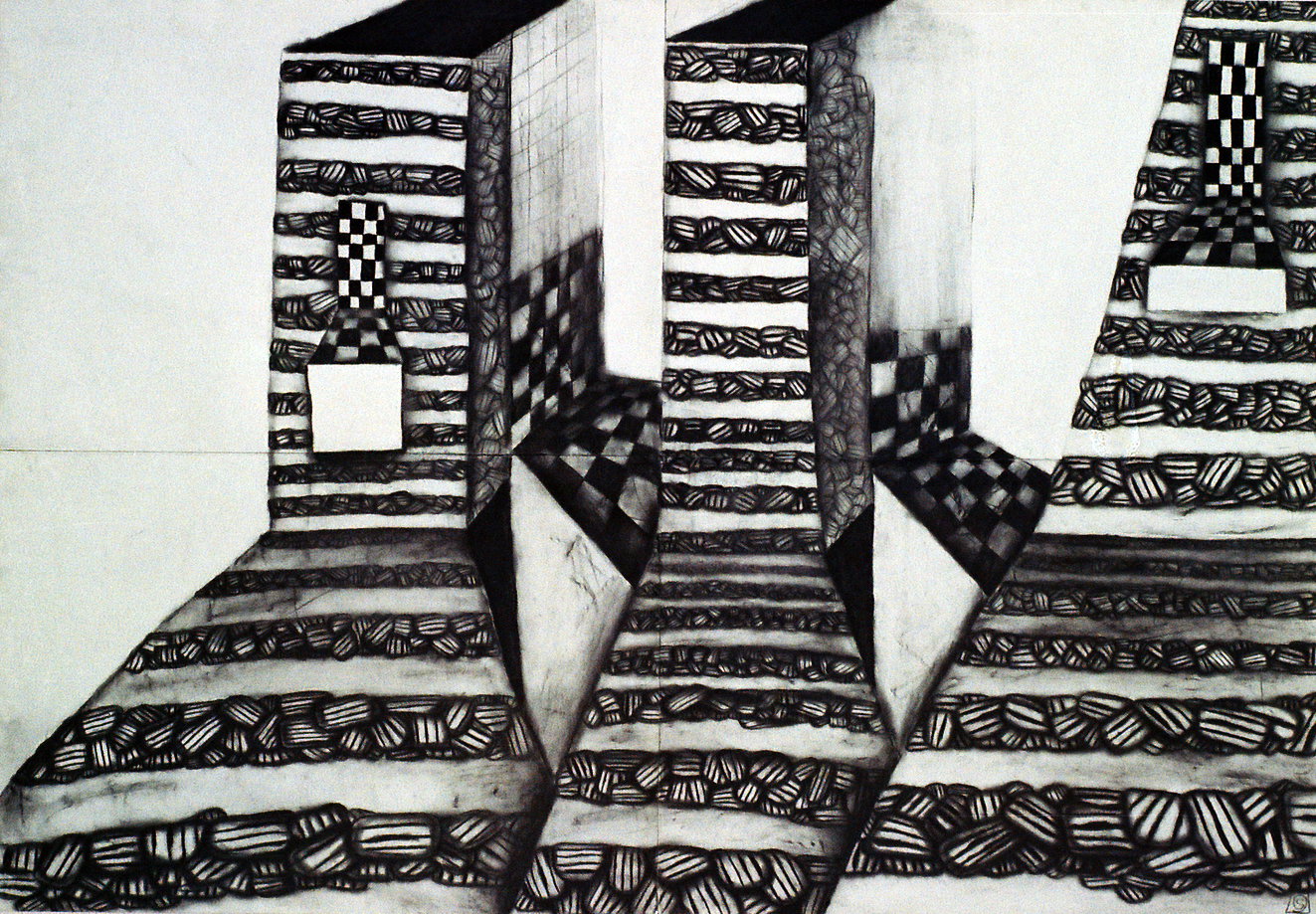
Salomėja Jastrumskytė’s creative practice between painting and art history
Professional art historian and painter Salomėja Jastrumskytė lives and works in Tauragė, Lithuania. She received her Bachelor's degree in Graphic Arts from Šiauliai University in 2000 and completed a Master's degree in Art History at the same university in 2001. In 2011, she defended her doctoral dissertation at the Vilnius Academy of Arts entitled Conceptual Transformations of the Phenomenon of Synesthesia in Nineteenth- and Twentieth-Century Western Art Theory and Practice: A Critical Analysis (Art History, Philosophy of Art).In 2006–2007, she completed a research fellowship at the Institute of Psychoacoustics and Electronic Music (IPEM), Ghent University, funded by the Flemish Ministry of Science and Education. During 2006, she conducted research in Paris at the Institut National d’Histoire de l’Art (INHA), the Jacques Doucet Collections, the Michelet Library (Panthéon-Sorbonne University – Paris I and Paris IV), the Kandinsky Library at the Centre Pompidou / Musée National d’Art Moderne, the Bibliothèque Nationale de France, and the Bibliothèque Sainte-Geneviève. From April to June 2006, she was an artist-in-residence at the Cité Internationale des Arts in Paris.In 2012, she received the Pranas Dovydaitis Science Award. Since 1998, she has participated in numerous artistic projects as well as solo and group exhibitions in Lithuania and abroad. She has held more than 30 solo exhibitions in Lithuania, the United States, Germany, Finland, Belgium, Latvia, Estonia, Cyprus, and other countries, and has participated in over 100 group exhibitions internationally.
Research Interests
Her scholarly research focuses on synesthesia, aesthetics and philosophy of art, Lithuanian culture and art, cultural studies, comparative studies of culture and art, visual culture, research on the work of M. K. Čiurlionis, and interdisciplinary discourse.
Between Image and Thought: The Creative Space of Salomėja Jastrumskytė
The work of professional art historian and painter Salomėja Jastrumskytė is distinguished by its ability to unite two seemingly different fields: art history and painting. Her expertise as an art historian provides her artistic practice with a strong conceptual foundation, while painting becomes not merely an aesthetic image but also a form of visual thinking. This creative synthesis allows the viewer to perceive the painting not only as an emotional or formal object but also as a space of cultural memory and philosophical reflection.Color and light play a central role in Jastrumskytė’s paintings. The relationships between colors create not only mood but also a symbolic space in which motifs of nature, the inner world of the individual, and the passage of time converge. Her compositions frequently balance between recognizable reality and abstraction, encouraging viewers to seek their own personal meanings.As an art historian, the artist possesses a profound understanding of the traditions of art history. Consequently, her work reveals a dialogue with classical painting, the principles of modernism, and the ideas of contemporary art. These references are not direct quotations but rather function as signs of cultural memory that enrich the interpretation of her paintings.An important aspect of Jastrumskytė’s artistic practice is her invitation for the viewer to become an active interpreter. Her paintings do not impose a single meaning but instead leave room for contemplation, associations, and individual experience. In this way, painting becomes a dialogue in which the artist’s thought meets the viewer’s imagination.Within the context of contemporary Lithuanian art, Salomėja Jastrumskytė’s work demonstrates that theoretical knowledge of art and artistic practice do not compete but rather complement one another. Her paintings reveal that painting can be not only the creation of images but also a distinctive philosophical language capable of expressing the human relationship with the world, culture, and oneself.As both a painter and an art historian, Salomėja Jastrumskytė occupies a distinctive position in contemporary Lithuanian art through an intellectual, conceptual, and interdisciplinary aesthetic in which painting is understood not merely as image-making but as a form of philosophical reflection and visual thinking. Her artistic language combines elements of abstraction, minimalism, and symbolic imagery while emphasizing the relationships between materiality, light, color, and space. As an art historian, she organically transfers her theoretical insights into the nature of art, perception, and cultural memory into her painting practice, giving her work remarkable conceptual coherence and intellectual depth. Within the field of contemporary Lithuanian art, her oeuvre is closely associated with the traditions of late twentieth- and early twenty-first-century conceptual painting, in which the analysis of the image itself, the act of seeing, and aesthetic experience becomes more significant than narrative or representation. Art critic Gabrielė Kuizinaitė