The search for identity in the works of the Bulgarian born painter Plamen Ovcharov
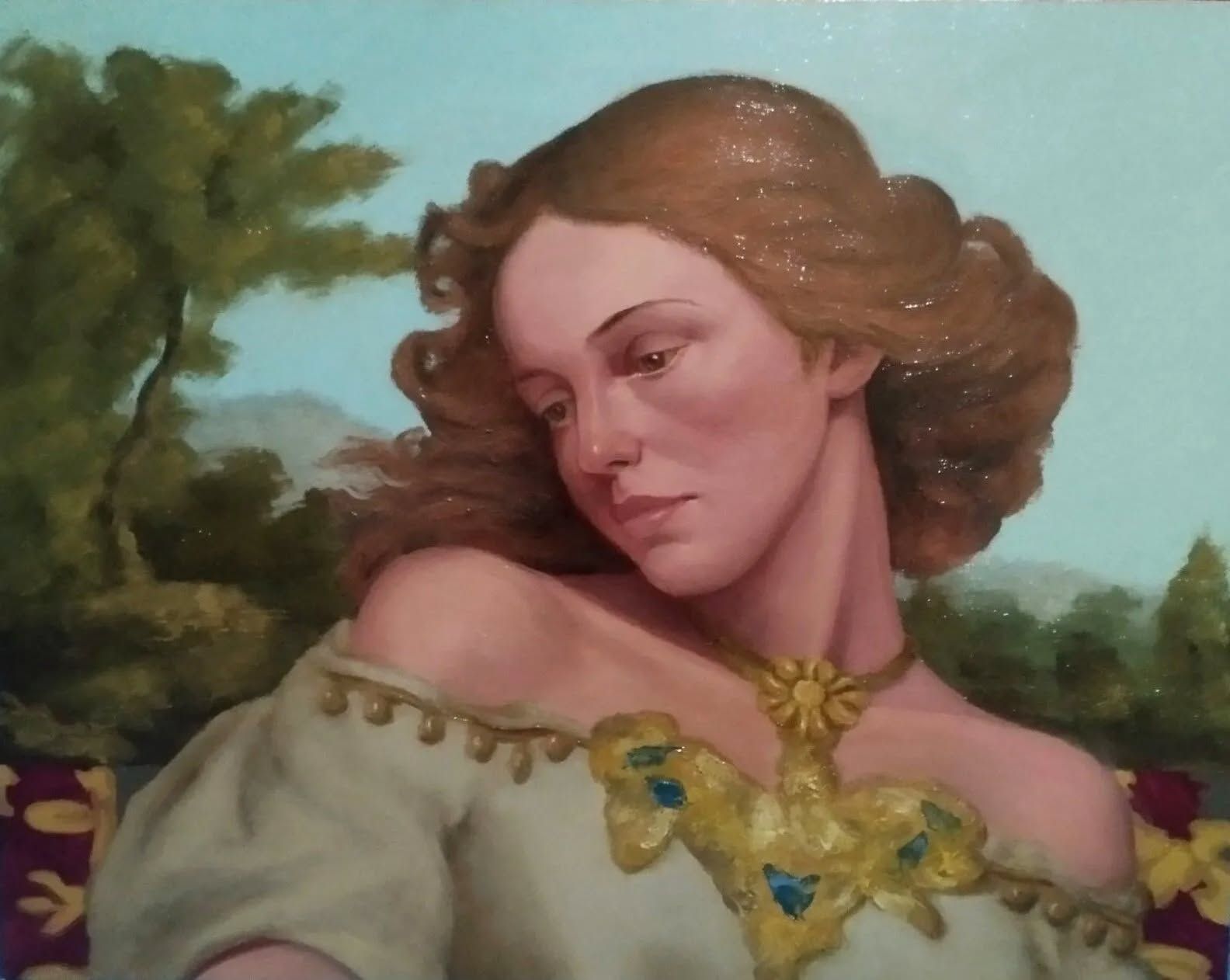
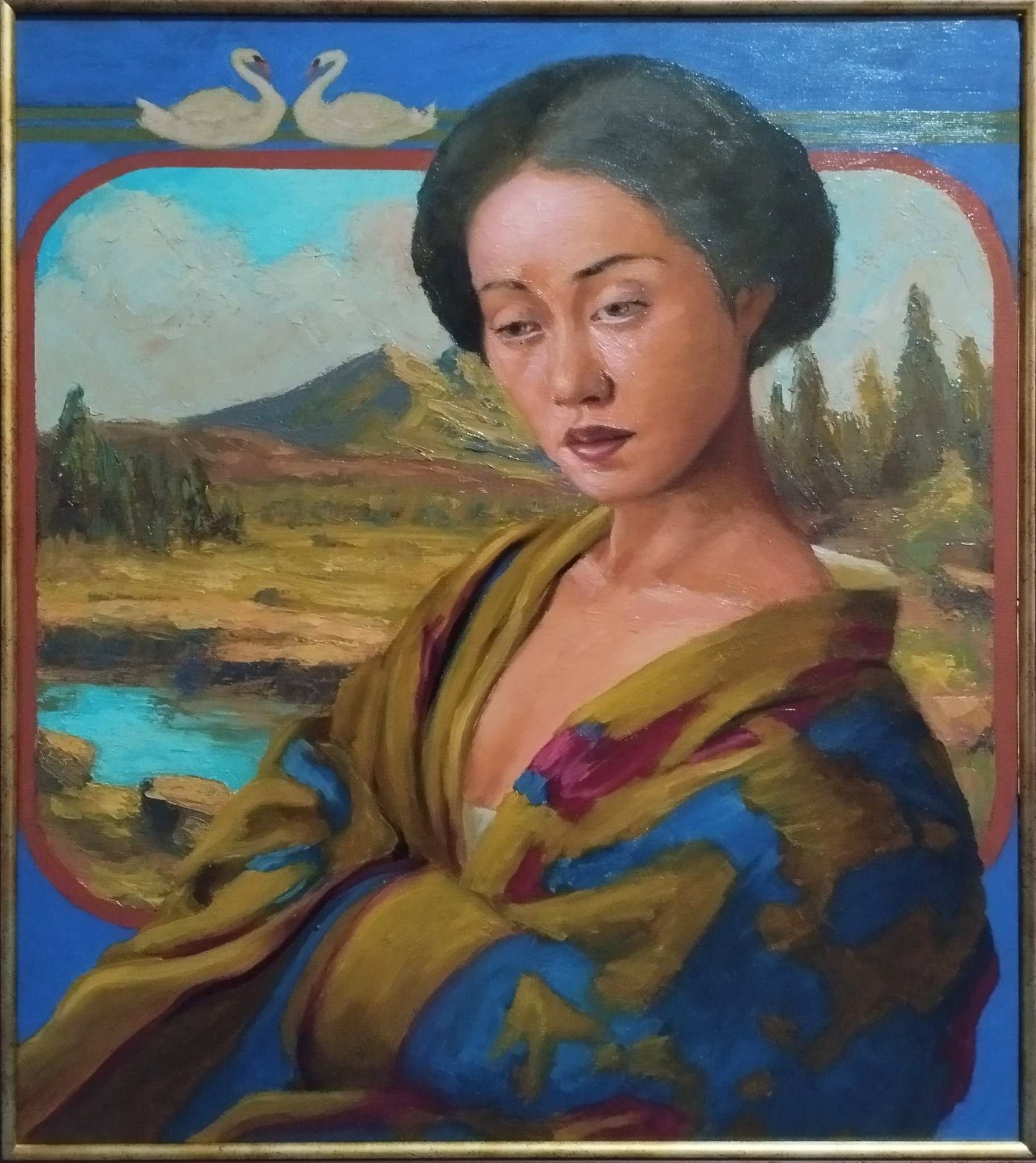
The search for identity and space in the works of the Bulgarianborn painter Plamen OvcharovThe painter Plamen Ovcharov lives and works in Bulgaria. He graduated from the National School of Arts, Professor Veselin Stoyanov's Department of Painting in 2017. The author also received a bachelor's degree in painting from the University of Veliko Tarnovo (2021) and completed his master's studies at the National Academy of Arts, Bulgaria (2025). My master's thesis work "Madame Butterfly" was purchased by the city opera in Ruse, where I currently work as a set designer and artist. In recent years, the painter has been actively involved in art life, has organized a number of personal exhibitions in Bulgaria and participated in many collective art exhibitions in Bulgaria and America. In his artistic works, he combines several styles: he creates in the fields of art nouveau, neoclassicism and realistic style. The author has become an artist in various formats of canvases, mostly in oil paints.Identity in contemporary painting is rarely static – it rather resembles a constantly changing surface where memory, experience and inner experiences intersect. In Plamens Ovčarovs’ work, this dynamic is revealed through a subtle dialogue between man and space, between the visible and the sensed. In his canvases, identity is not clearly defined; it emerges, fragments and refocuses, as if searching for its place in a constantly changing world.Summarizing P. Ovcharovs’ painting, it can be stated that in his work, space is not just a background or environment – it becomes an active actor. It often appears abstracted, broken down into color fields or structural layers that do not so much define as disperse the figure. In this way, the artist creates tension between the individual and the reality surrounding him. In his works, a person often seems trapped between different dimensions – between the inner world and the outer reality.Color plays a special role in Ovčarovs’ works. It not only shapes the mood, but also becomes a sign of identity. Intense, sometimes contrasting tones can indicate emotional tension, while softer, washed-out shades can indicate fragility or decay. This color language allows the viewer not only to see, but also to feel the painting, to get involved in the atmosphere it creates.An important theme in Ovčarov’s work is boundaries. The boundaries between body and space, between self and other, between reality and imagination. These boundaries are not clear; they are constantly changing, dissolving, overlapping. In this way, the artist invites us to rethink the very concept of identity – perhaps it is not a closed structure, but rather an open, constantly forming state.Space in Ovčarov’s works often has a symbolic charge. It can be perceived as an internal psychological territory where a person’s transformations take place. Sometimes this space seems empty, even uncomfortable, but it is precisely in such emptiness that the opportunity for a new identity to emerge opens up. Emptiness here is not a lack – it is a potential.The themes of migration and cultural overlap can also be seen in the artist’s work. Identity becomes not only a personal, but also a collective experience, in which different cultural influences intertwine. This multi-layered identity is also reflected in spaces – they often do not have a specific geographical identity, but are saturated with references to various cultural experiences.Plamenas Ovcharovs’ paintings invite the viewer not to look for clear answers, but to immerse themselves in a field of questions. Who are we? Where do our boundaries end? How are we shaped by the spaces we live in? These questions remain open, but it is precisely their openness that is the strength of the work.Ultimately, in Ovčarovs’ works, identity and space merge into one whole. A person can no longer be separated from his environment – he is a part of it, and space becomes a reflection of him. This is a sensitive, multi-layered and visually suggestive work that encourages not only looking, but also thinking, feeling and experiencing.Art critic Gabrielė Kuizinaitė