The wildlife world of the painter AIrida Milašauskienė: between the animals of reality and imagination, the world and the canvas of history
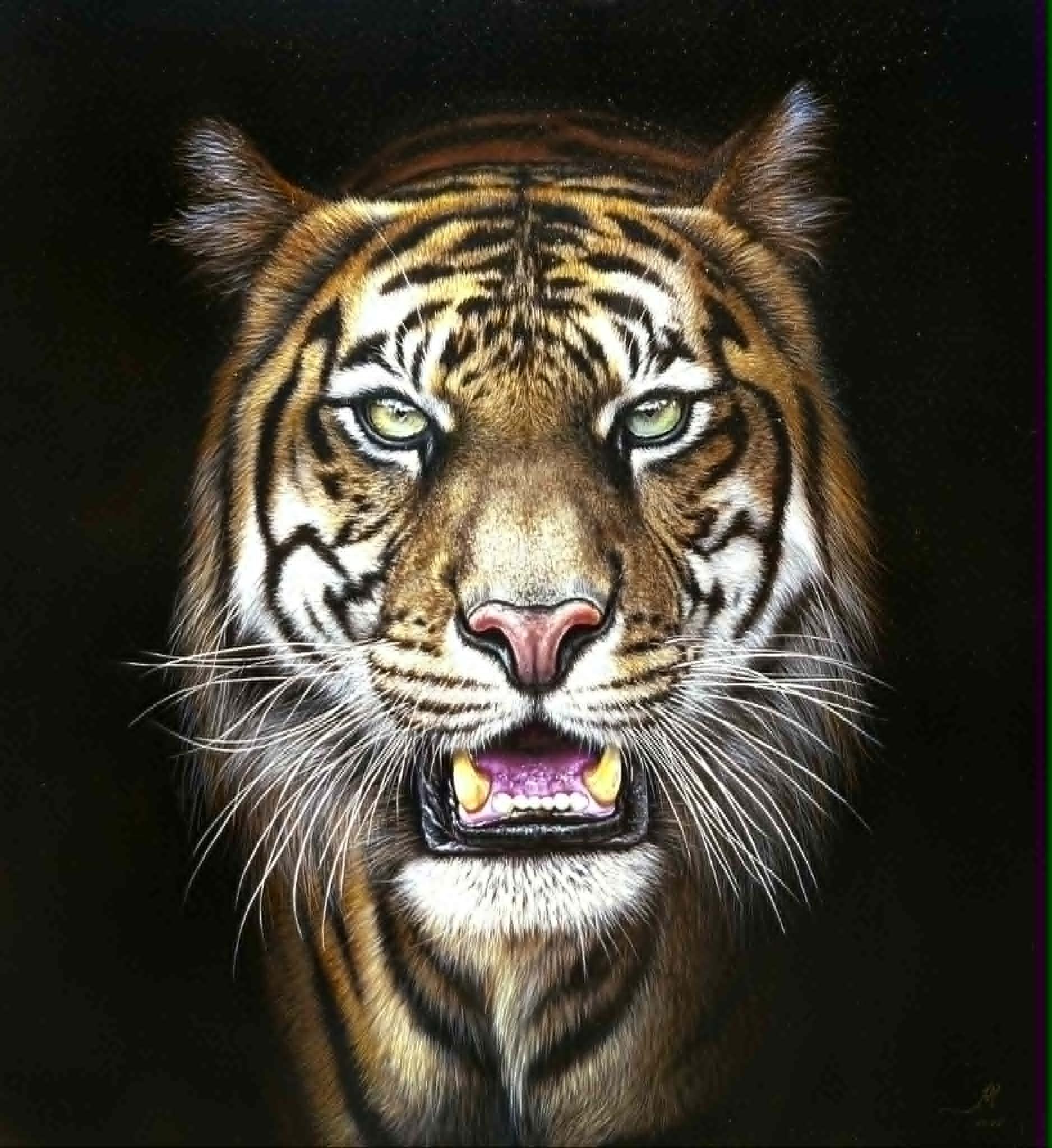
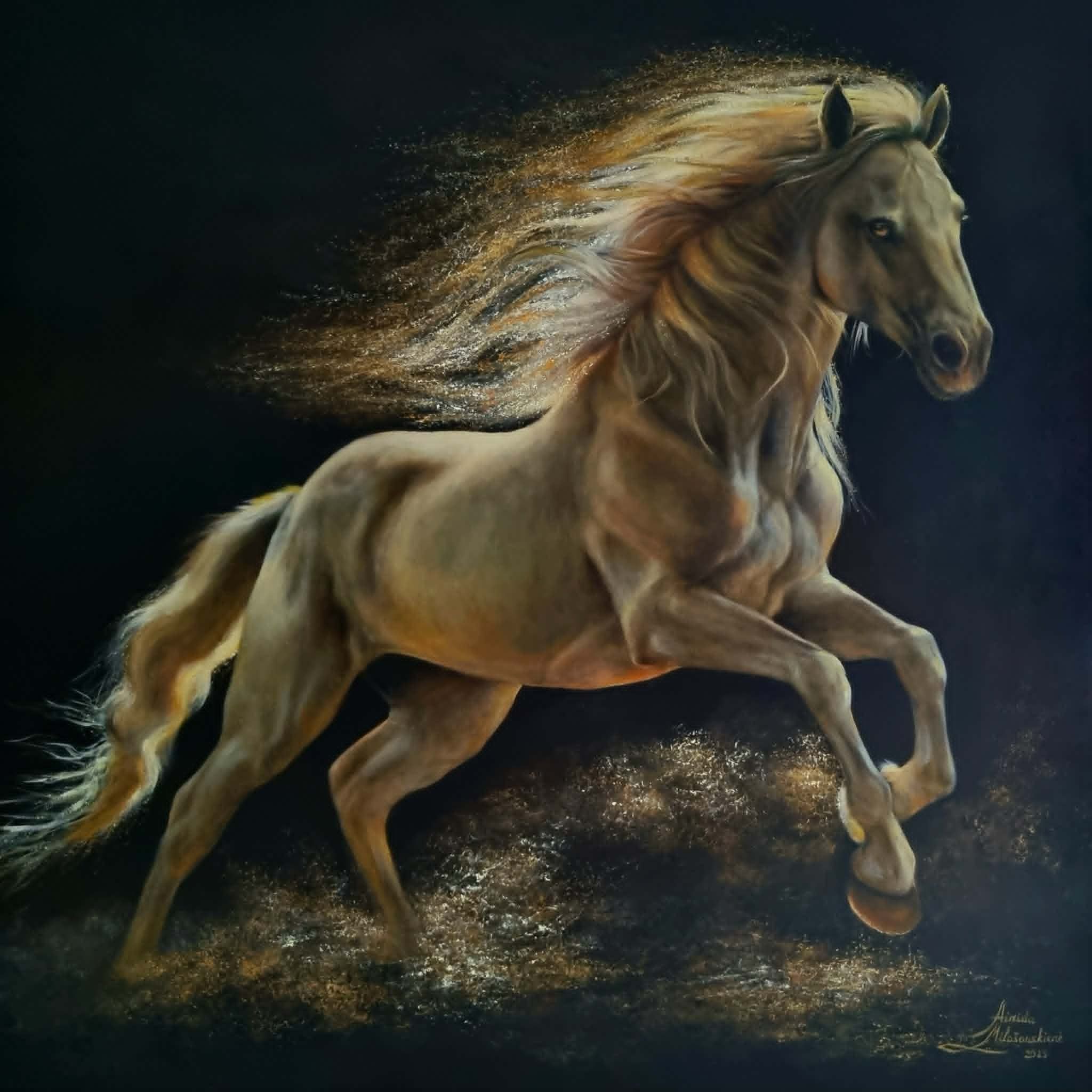
The wildlife world of the painter Airida Milašauskienė: between the animals of reality and imagination, the world and the canvas of history Painter Airida Milašauskienė motto: Art is my language. Through art, I explore identity, emotion and memory. Painter Airida Milašauskienė lives and works in Lithuania. She creates portraits created by the techniques of pastel in the limitless formats of the inner world of women and the wildlife world. She has been interested in art since childhood. She studied art at school and continued her studies at Šiauliai University. The author's work has also been appreciated in an international context in America, India and other countries. In modern Lithuanian paintings, the theme of nature and fauna remains one of the most topical areas of artistic reflection. The animal has long crossed the boundaries of a biological being in painting, becoming a cultural sign, symbol, a reflection of human emotions, values and worldview. In the work of the painter Airida Milašauskienė, the world of wildlife reveals itself as a multi-racial artistic space, intertwined with real observations of nature, poetic imagination and a delicate emotional narrative. The first impression of looking at paintings by artist Airida Milšauskienė is respect for living nature and a sensitive relationship with the animal as an independent creature. Although the creations recognize specific species of animals, such as birds, horses, cats, dogs or wildlife, their portrayal is not based solely on naturalistic reality. The artist deliberately gives up documentary accuracy in order to convey the character, mood and inner energy of the animal. For this reason, her painting is approaching poetic realism, in which the appearance becomes a starting point for the reality created by imagination. In the Airida paintings of Milašauskienė, color becomes one of the most important elements of artistic language. In addition to modelling forms, it creates an emotional field that allows animal shapes to gain symbolic significance. Bright, rich tones contrast with delicate halftones, and the combination of light and shadow enhances the expressiveness of the works. Color solutions often distract the pictured world from everyday reality and transfer it to a dreamy, almost magical space in which the laws of nature obey artistic intuition.In compositions, animals often become key players in visual narrative. They are not portrayed as decorative elements of the environment, but as equal partners in the dialogue. Their gazes, movements, posture, or relationship to the environment create a quiet but emotional narrative about freedom, fragility, loyalty, loneliness, or inner harmony. In this way, the artist expands the boundaries of the traditional animalistic genre, giving it psychological and philosophical depth.The theme of the relationship between nature and woman occupies an important place in the work. Although a man's figure is not always visible in paintings, his presence is felt through the emotional expression of animals, the atmosphere of the environment and symbolic motivations. Animals become brokers between man and the natural world, reminding us of the loss of contact with the natural environment and inviting us to rethink the place of man in the whole of life. This ecological aftermath is not declaratory; it is revealed through aesthetic sensitivity and respectful representation of life.The artist's imagination is particularly pronounced in compositions enriched with fiction elements. Here, real animals acquire unexpected colours, unusual proportions, or end up in symbolic, dreamy spaces. Such decisions allow us to speak of imagination as an equal creative partner, which does not deny reality but adds new meanings to it. Reality is becoming the basis for artistic interpretation, and fantasy is a means of revealing deeper existential issues.The Airida of emotional connection with the viewer is also important in the Irish painting of Milašauskienė. The animals' gazes are often directed directly at the observer, encouraging not only aesthetic admiration but empathy. This communication is based on a universal life experience – the ability to feel, survive, and be vulnerable. This makes paintings not only visual objects, but also an area of emotional reflection.To sum up, Ireland's Milašauskienė wildlife world is formed between two pillars – reality and imagination. On the one hand, the work is based on close observation of nature and respect for the living world, and on the other, it bold transcends the realist depiction, creating a metaphorical artistic reality enriched with emotions and symbols. Such a creative strategy allows the artist not only to actuate animalistic themes in modern painting, but also to reveal the universal links between man, nature and imagination. Animals in her canvas are not just heroes of paintings; they become a bridge between the visible world and the inner spirit of man, and an infinite space of imagination is created between everyday life and art. Art critic Gabrielle Kuizinaitė