Where the Inner Learns to Breathe: Art of Tomas Kregždė
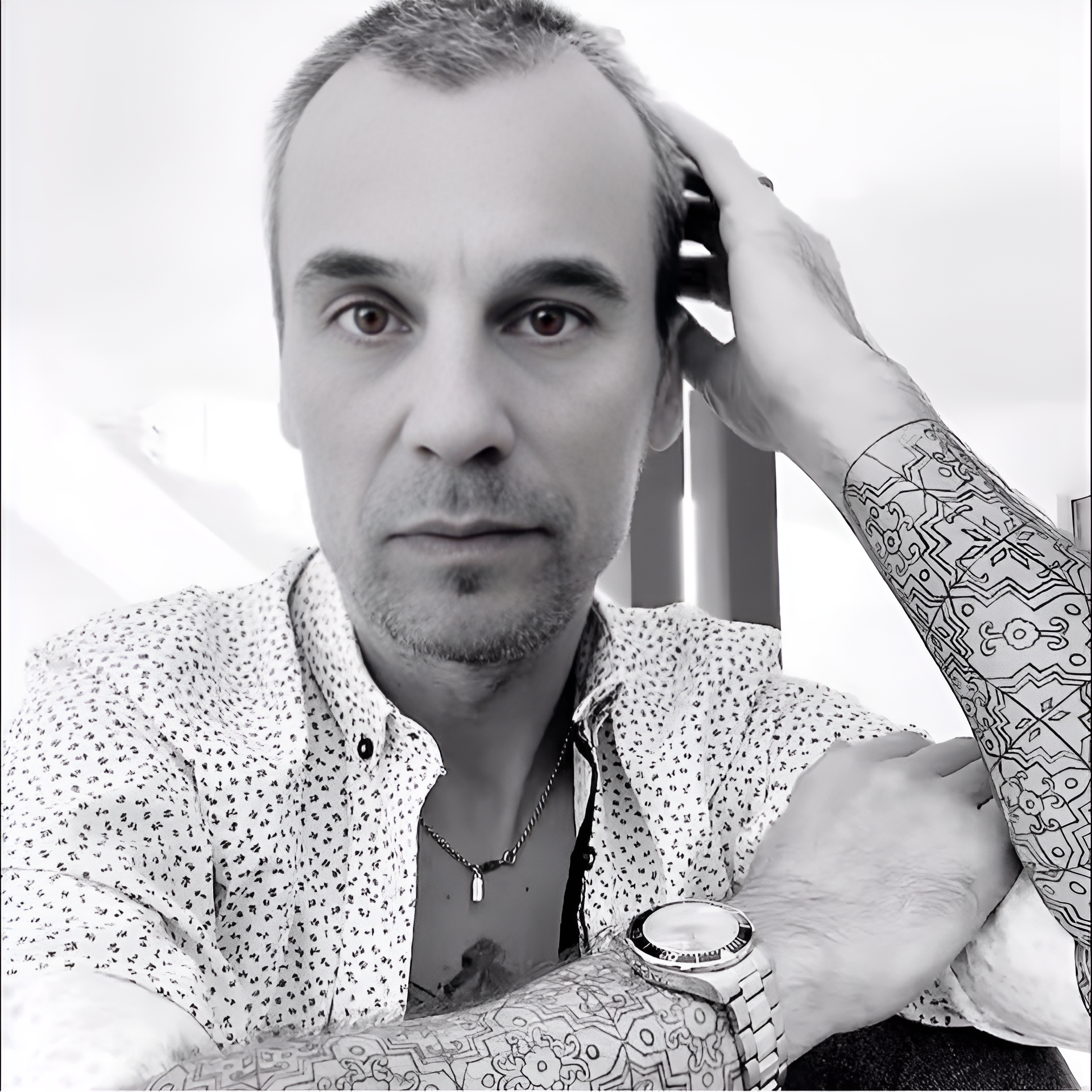
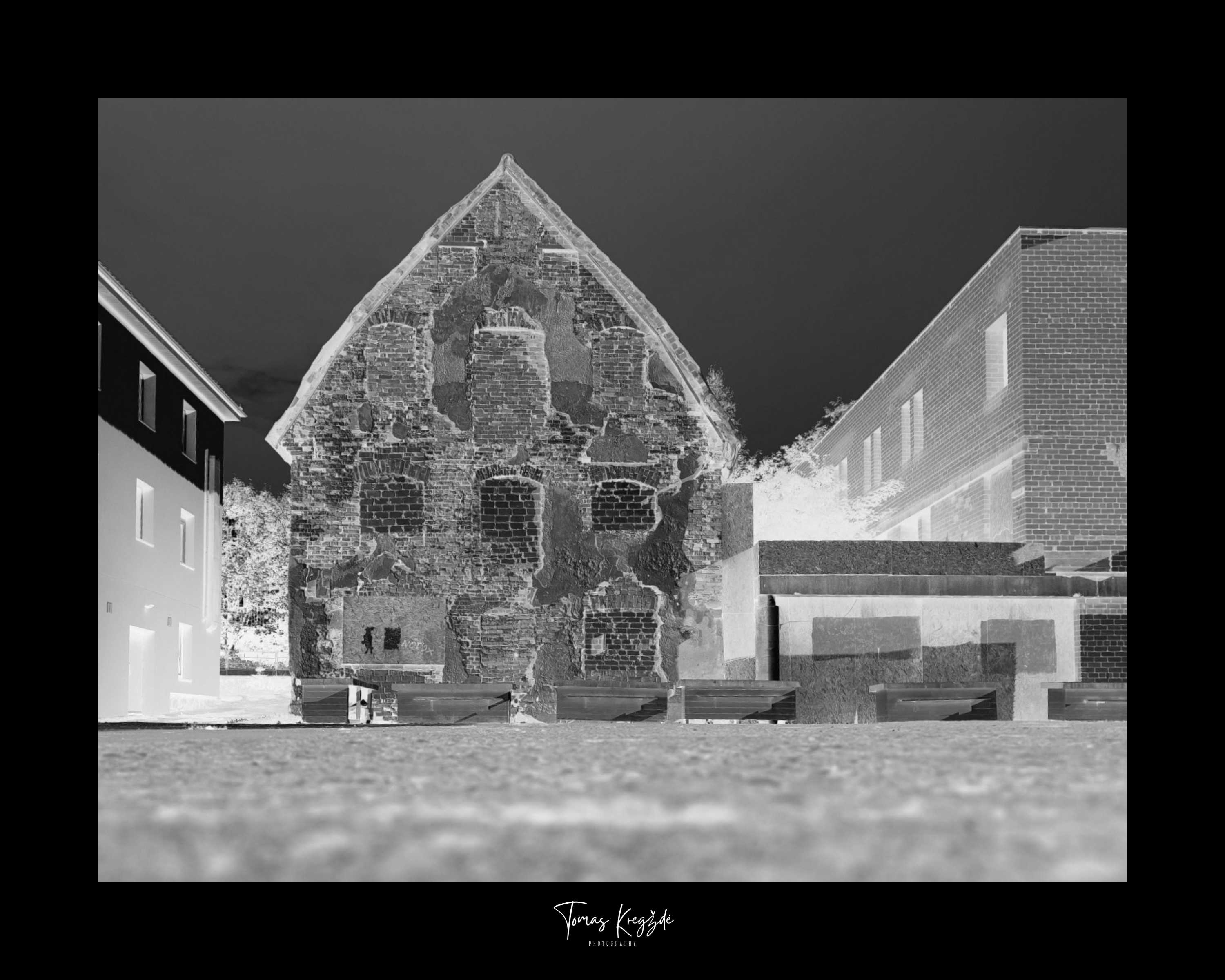
Where the Inner World Learns to Breathe: The Art of Tomas KregždėTomas Kregždė is a multidisciplinary artist whose work unfolds between digital creation, photography, poetry, prose, and the subtle craft of writing. Born and working in Lithuania, he represents a contemporary generation of artists who move freely across mediums, allowing each form to inform the next. His creative practice is unified by a deep interest in the inner world - the emotional, psychological, and atmospheric layers of human experience that rarely find space in the visible surface of everyday life. Kregždė’s art is defined by introspection, sensitivity, and a quiet but persistent search for authenticity in a culture that often rewards noise over depth.In his digital art, Kregždė constructs emotional landscapes rather than literal scenes. His works often feature dissolving figures, blurred silhouettes, and textures that behave like shifting states of mind. These images are not decorative; they are psychological spaces, shaped by memory, silence, and the tension between presence and disappearance. The digital medium allows him to explore the instability of identity and the fluidity of emotion, creating compositions that feel intimate, atmospheric, and deeply human. His digital works stand out for their ability to transform inner experience into visual form, revealing the subtle tremors that shape the self.Photography occupies an equally important place in his artistic identity. Kregždė photographs not to document the world but to reveal the emotional pressure beneath it. His images are characterized by muted tones, slow atmospheres, and a strong sense of introspective stillness. He often captures bodies, rooms, and landscapes as if they were fragments of thought or memory. Light in his photographs is treated with exceptional sensitivity - it becomes a tool for revealing vulnerability, tension, or quiet resilience. His photographic language is minimal yet emotionally dense, offering viewers a space to pause, reflect, and enter a deeper state of perception.Writing - both poetry and prose - forms the inner voice of his creative universe. Kregždė’s texts are distilled, precise, and emotionally charged. He avoids narrative in favor of mood, avoids explanation in favor of resonance. His writing explores themes of invisibility, fragility, and the unspoken weight carried by individuals who feel deeply. The sentences he constructs often read like internal monologues, shaped by the rhythms of breath and silence. His literary work does not simply accompany his visual art; it expands it, offering another dimension through which the viewer can enter his world. In his writing, language becomes a vessel for emotional truth, stripped of ornament and focused on the essential.What unites these different mediums is a coherent cultural vision. Kregždė’s art is not about external spectacle but about internal experience. His digital atmospheres, photographic stillness, and literary introspection form a single aesthetic language - one that treats vulnerability with dignity and silence with respect. He works from the belief that the inner world is not something to hide but something to understand, and that art can serve as a space where the unseen aspects of human life finally find room to breathe. His practice reflects a contemporary cultural shift toward introspection, emotional awareness, and the recognition of inner complexity as a form of strength.In the broader context of contemporary art, Tomas Kregždė stands out as an artist who consciously blurs the boundaries between disciplines. His work moves between digital and physical, visual and textual, abstract and intimate, creating a unified field of expression that is both personal and culturally relevant. He represents a generation of creators who see art not as a set of separate categories but as a fluid continuum of thought and feeling. Through his work, he invites viewers to slow down, to listen inward, and to experience the image - whether visual or written - as a form of thinking.Kregždė’s contribution to contemporary culture lies in his ability to transform inner experience into a shared space. His art does not offer easy interpretations; instead, it opens the possibility of encountering emotion as something real, complex, and worthy of attention. In a world saturated with distraction, his work stands as a quiet but powerful reminder that depth still matters, that silence can speak, and that the inner world, when given space, can finally learn to breathe. The artist, writer, essayist Tomas Kregždė